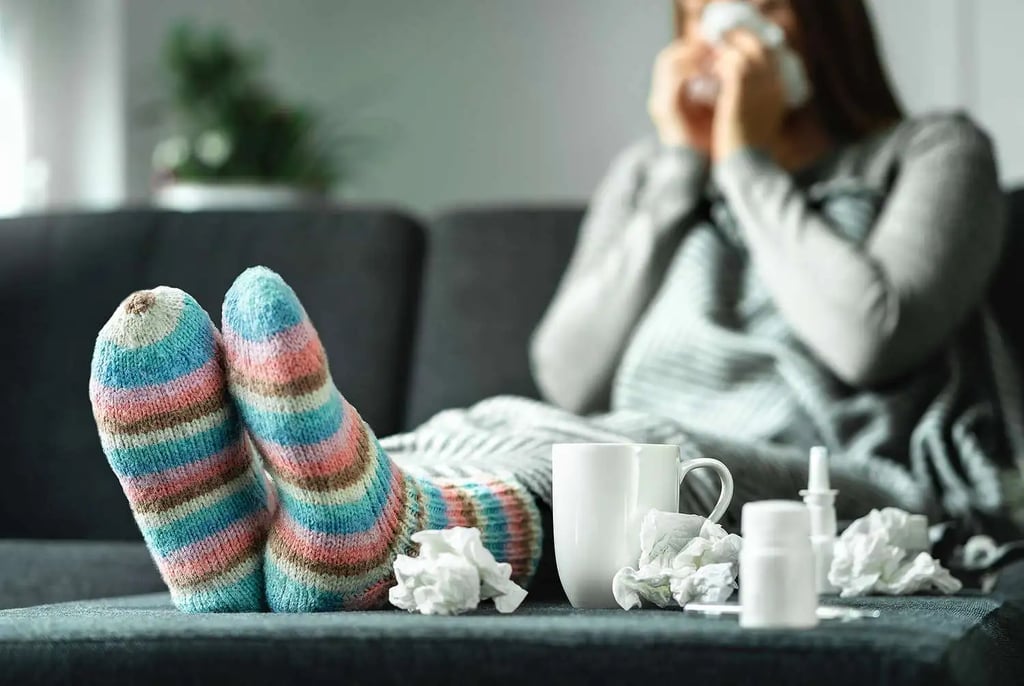
When Should Your Child Stay Home from School This Winter?
Winter often means our school-aged kids catch colds, flu, and other contagious illnesses. However, gauging when your child should stay home can be confusing. Knowing when to keep them away from school will give them time to recover while also helping protect their classmates, teachers, and other families.
A runny nose or mild cough doesn’t always mean your child needs to miss school. However, fever, vomiting, diarrhoea, certain rashes, and contagious infections are likely to mean your child should stay home for a period of time.
FACTS ON THIS PAGE
- When Should Your Child Stay Home from School This Winter?
- When Should a Child Stay Home from School?
- What About Fever?
- What About Coughs and Colds?
- When Should a Rash Keep Your Child Home?
- How Long Are Common Childhood Illnesses Contagious?
- What If Your Child Has a Mild Illness?
- How Can You Help Prevent Winter Illness?
- Resources
- Contact Us
When Should a Child Stay Home from School?
As a general rule, keep your child home if they are unwell and not well enough to participate comfortably in normal school activities. Children should also stay home when they have an infection that has a specified school exclusion period. If you’re unsure, check the current Victorian exclusion requirements or speak with your GP.
Some common reasons to keep your child home include:
- Fever or feeling significantly unwell
- Vomiting or diarrhoea
- A severe or persistent cough
- A rash accompanied by fever or other symptoms
- Certain diagnosed infectious diseases
What About Fever?
A fever in children is generally a temperature of 38°C or higher. This is usually a sign that the body is responding to an infection. If your child has a fever, they should generally stay home until they’re feeling well and their temperature has returned to normal. Rather than focusing on the thermometer, consider how your child looks and behaves.
Seek Medical Advice
Always seek medical advice if your child is very unwell, unusually drowsy, having difficulty breathing, has a stiff neck, develops a concerning rash, is not drinking, or has signs of dehydration.
What About Coughs and Colds?
As every parent knows, coughs and colds in children are common during winter. A child with a mild runny nose or cough who otherwise feels well and can participate normally at school may not need to stay home.
However, if your child is tired, feverish, struggling with symptoms, or unable to participate in their usual activities or play, keeping them home allows them to rest and reduces the chance of spreading illness.
To reduce transmission, practise and teach good hand hygiene, covering coughs and sneezes, and avoiding sharing drink bottles.
When Should a Rash Keep Your Child Home?
A rash can have many causes, including viral infections, allergies and contagious illnesses. A rash accompanied by fever or a child who appears unwell warrants medical advice.
Some infectious diseases have specific exclusion periods. For example, chickenpox, school sores (impetigo), slapped cheek syndrome, and hand, foot and mouth disease will require your child to stay home for a specified period.
Don’t assume a rash is harmless simply because it isn’t itchy. If you’re concerned about a new or unexplained rash, speak with your GP straight away.
How Long Are Common Childhood Illnesses Contagious?
The contagious period for children varies considerably depending on the infection. Some illnesses can spread before symptoms appear, while others are contagious for days after symptoms begin.
Victorian health guidelines provide specific school exclusion periods for infectious diseases. These can change depending on the illness, so check the current guidance rather than relying on a general rule.
What If Your Child Has a Mild Illness?
Not every winter bug requires a day off school. If your child has mild cold symptoms, no fever, and is otherwise well enough to participate in school activities, they might be able to attend. A good rule of thumb is to consider your child’s overall wellbeing. Sometimes a day or two at home might provide the recovery time they need to return to their normal functioning.
How Can You Help Prevent Winter Illness?
There are many simple measures you can take to reduce the spread of winter bugs. Encourage children to wash their hands before eating and after coughing, sneezing, or blowing their nose. Also, ensure vaccinations are up to date.
Resources
For reliable Australian information about childhood illnesses and school exclusion periods, visit:
- Healthdirect – School exclusion periods
- Victorian Department of Health – Exclusion periods for primary schools and children’s services
- The Royal Children’s Hospital Melbourne – Fever in children
- Healthdirect – Coughs and colds in children
Contact Us
Contact the friendly team at Mernda Village Medical Centre if you’re unsure whether your child is well enough to go to school, or you’re concerned about fever, rash, cough or other symptoms.
Leave a reply

Most Commented